
Learning Resources
Horsemasters
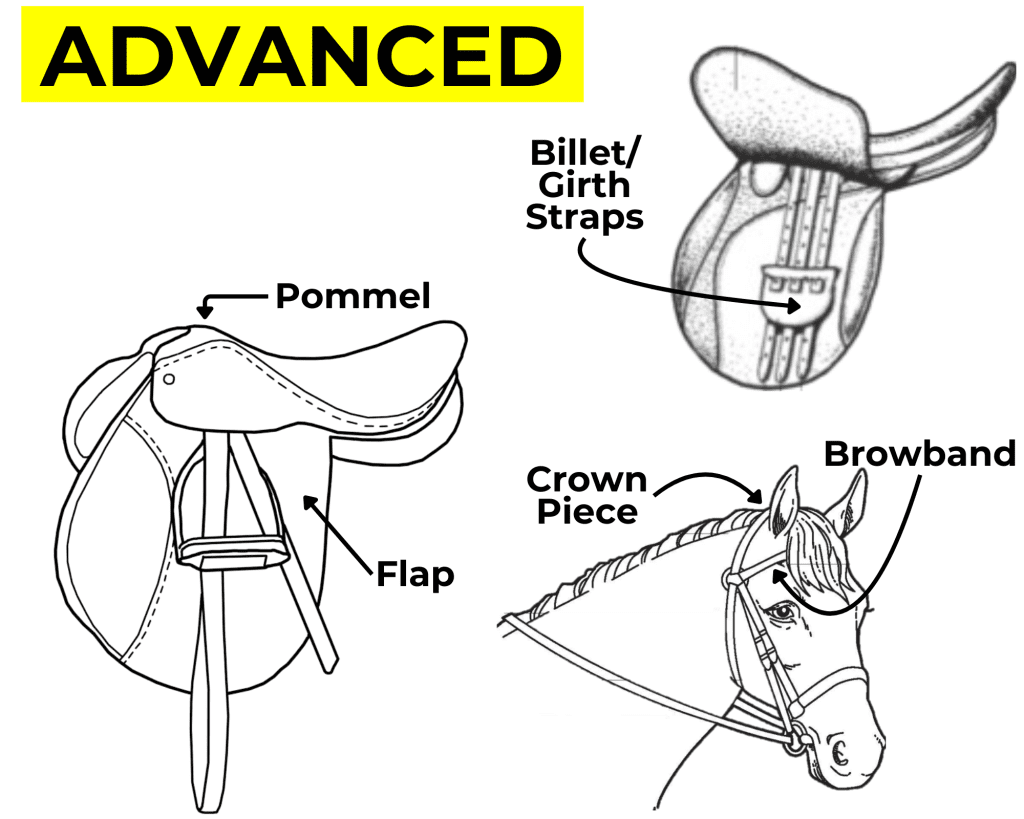
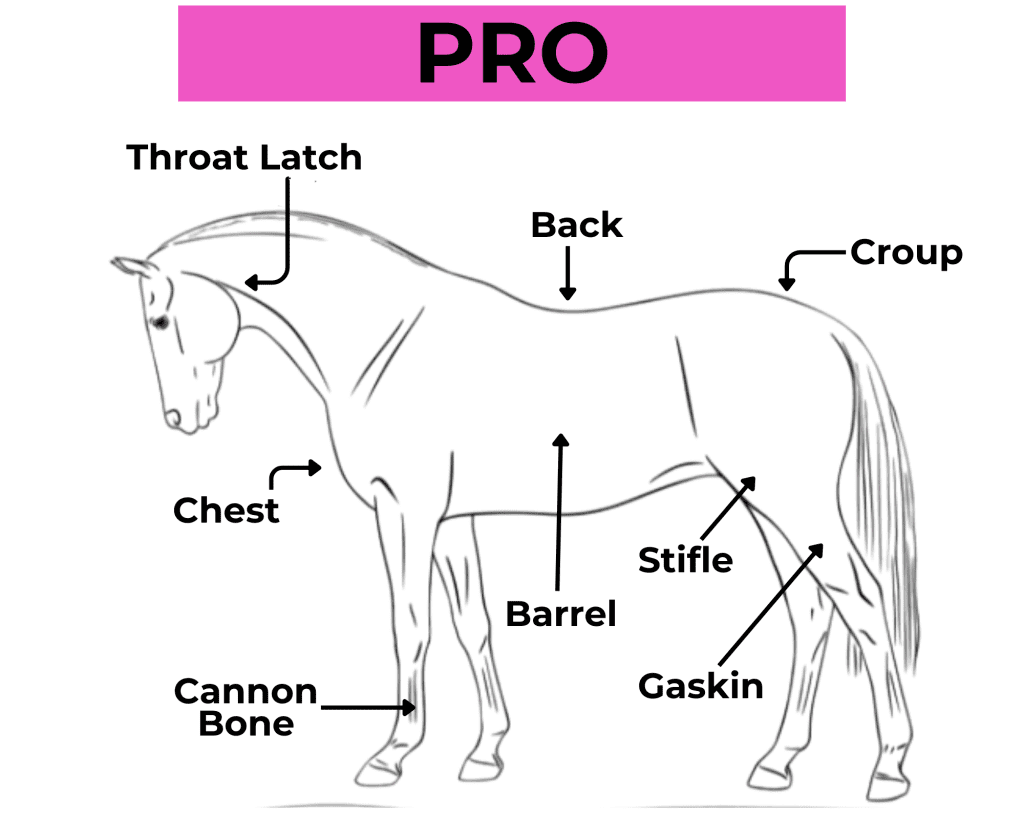
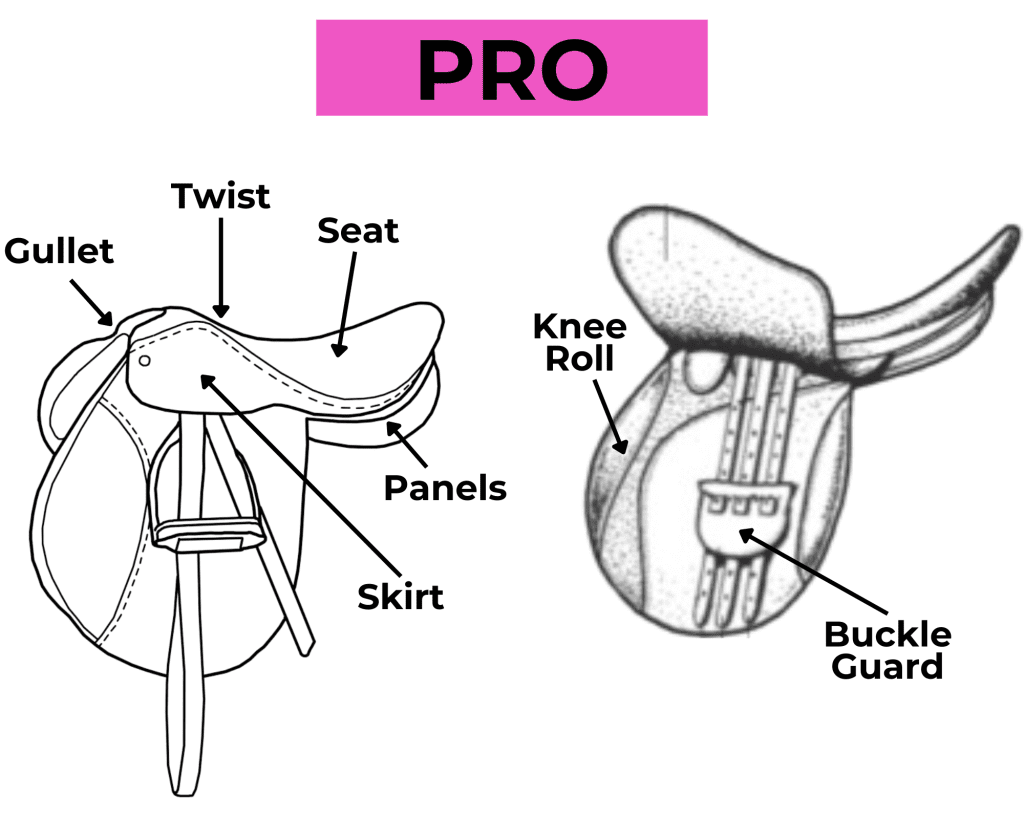
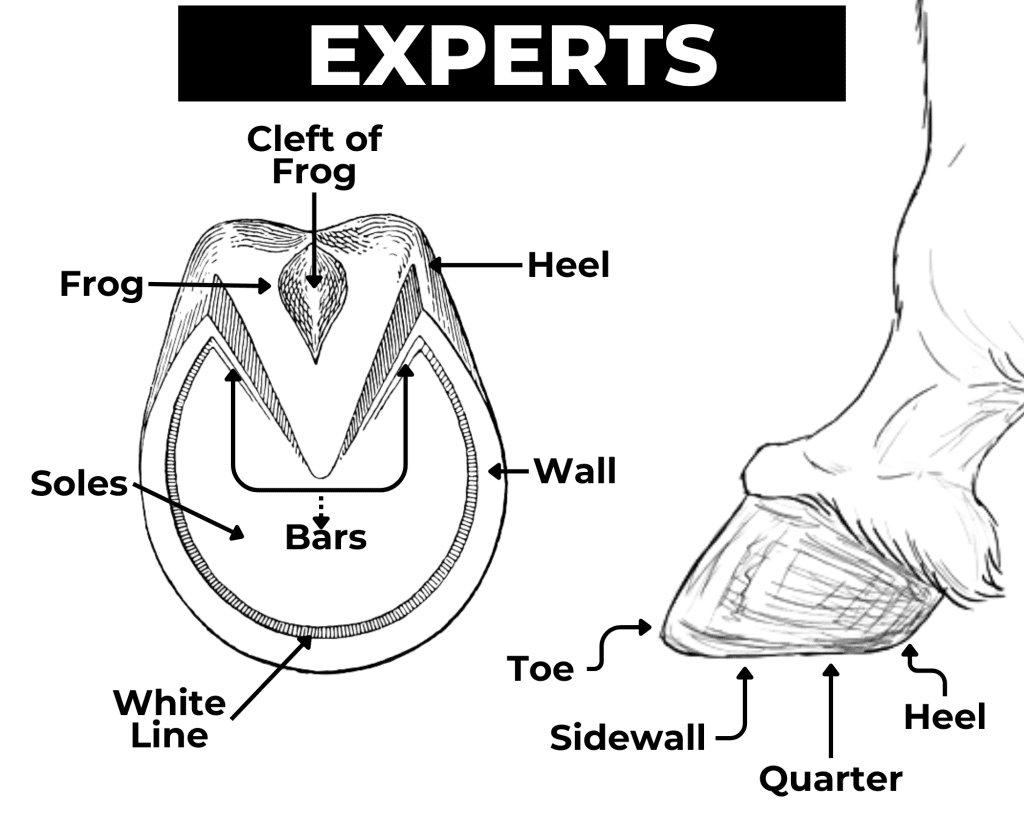
Equine Learning Focuses
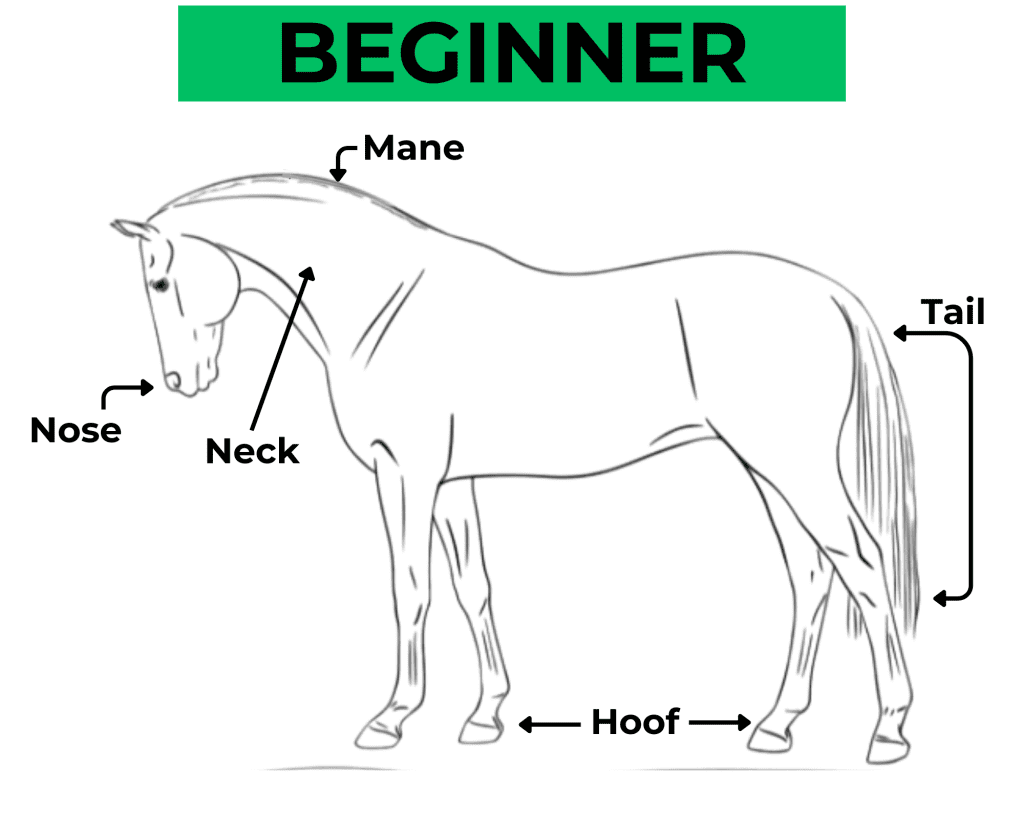
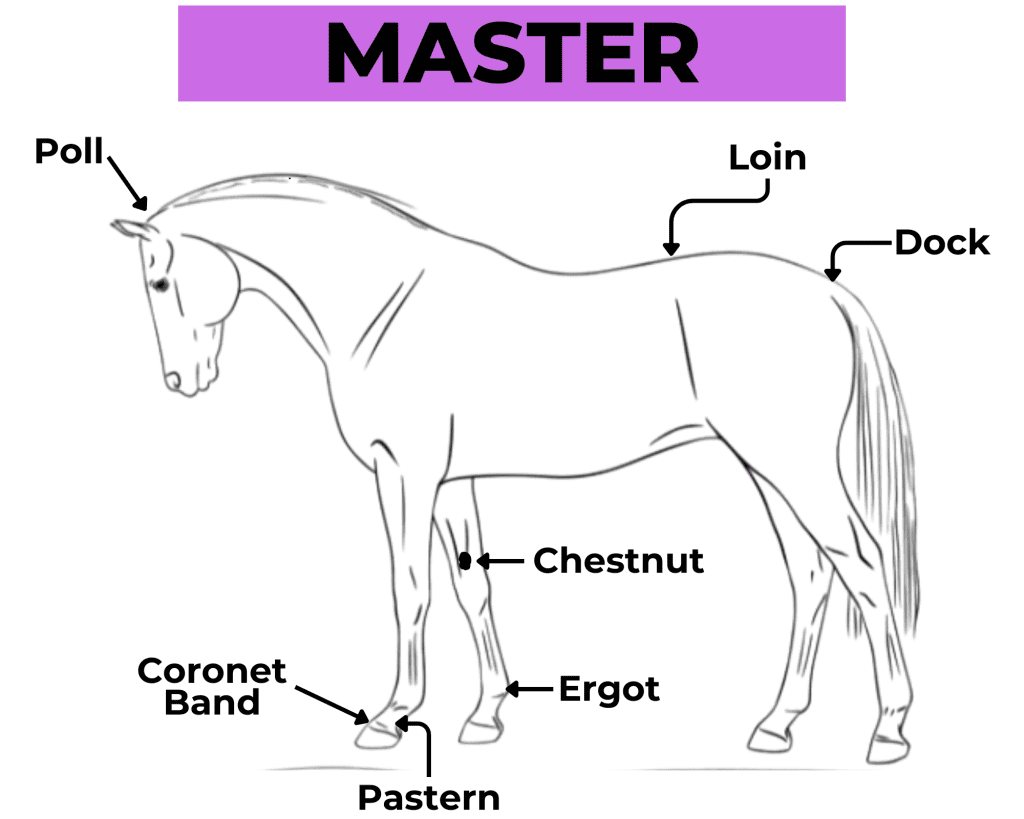
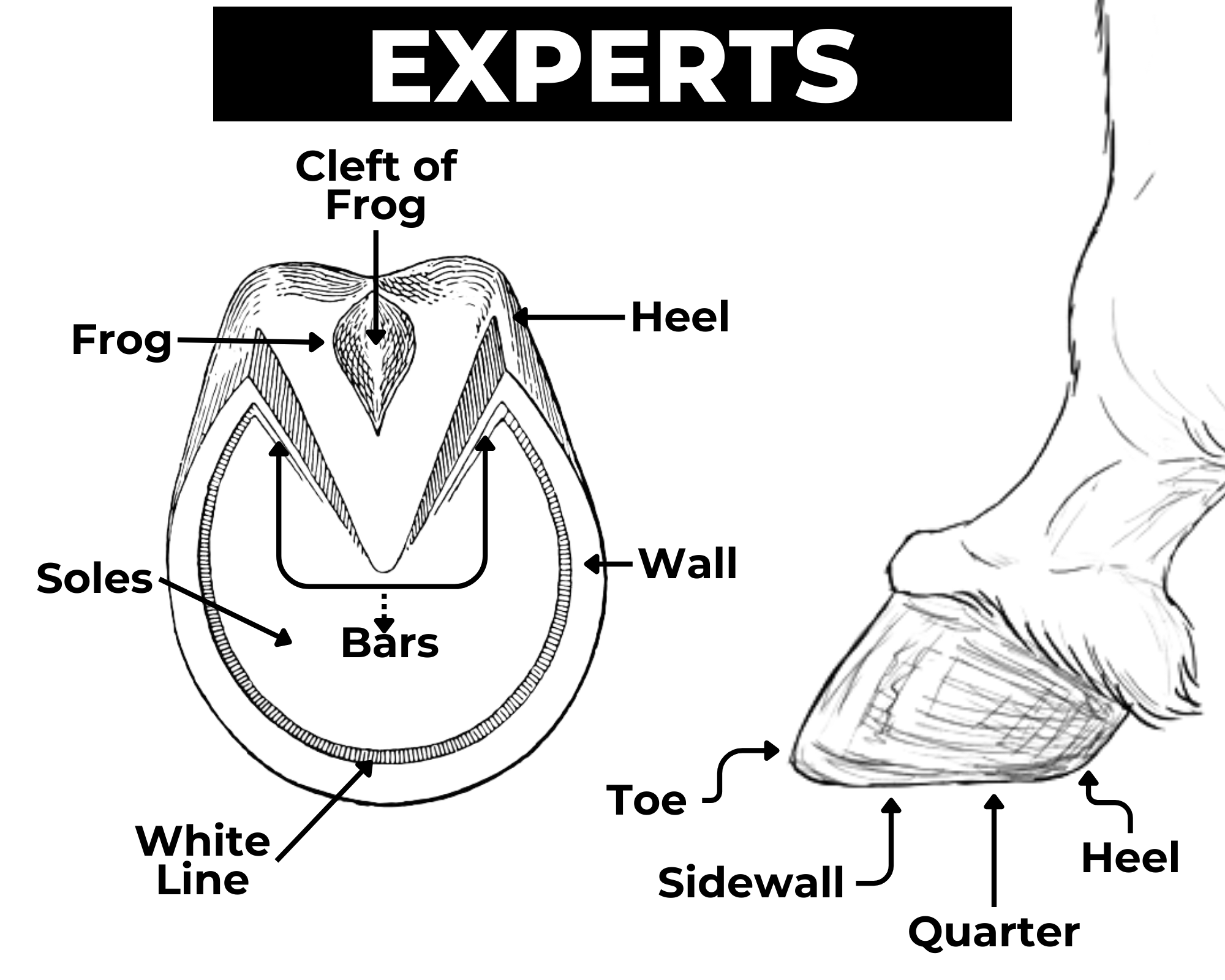
Horse Parts
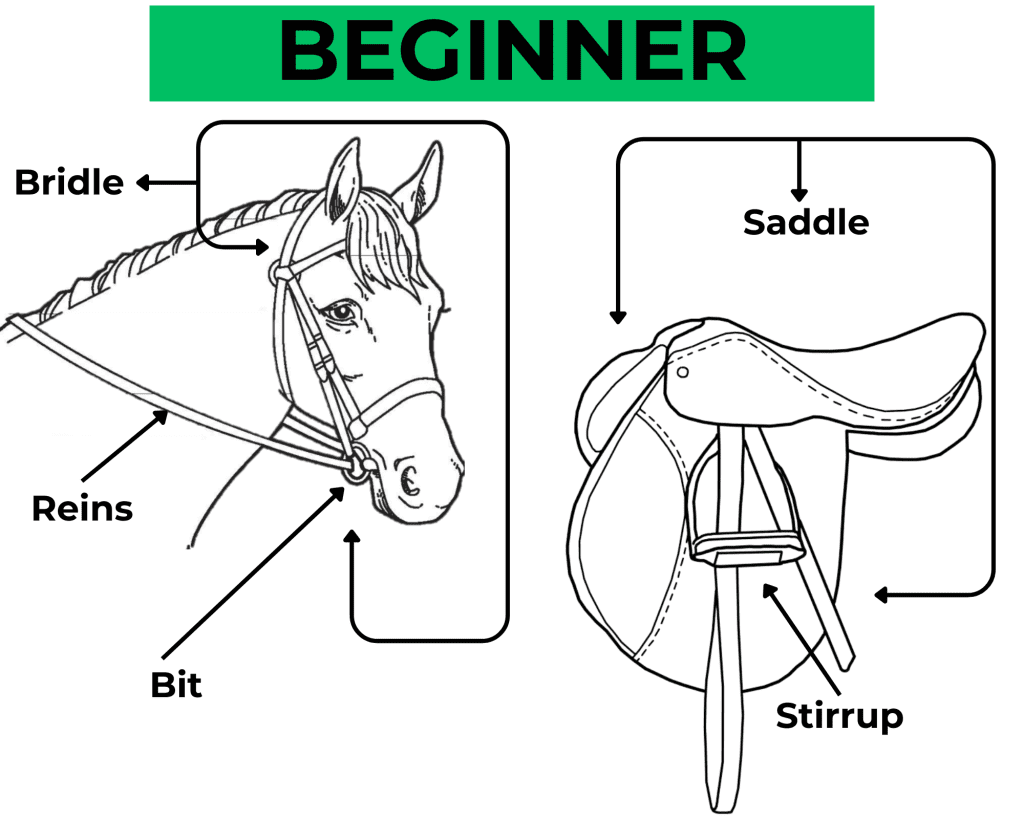
Tack Parts
Practical
The judge will instruct the athletes to put on the headcollar/ halter. Help may be given if the horse is being difficult.
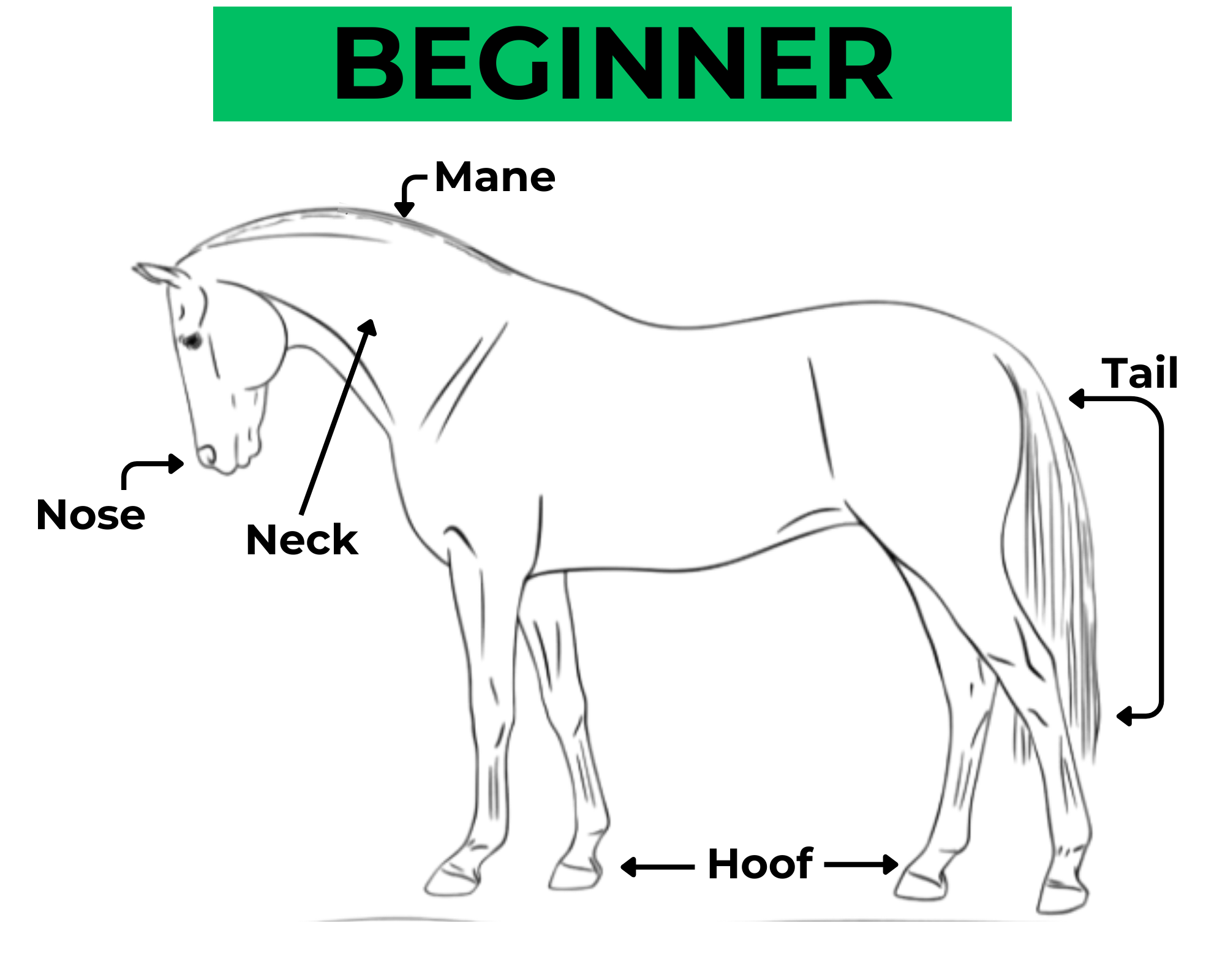
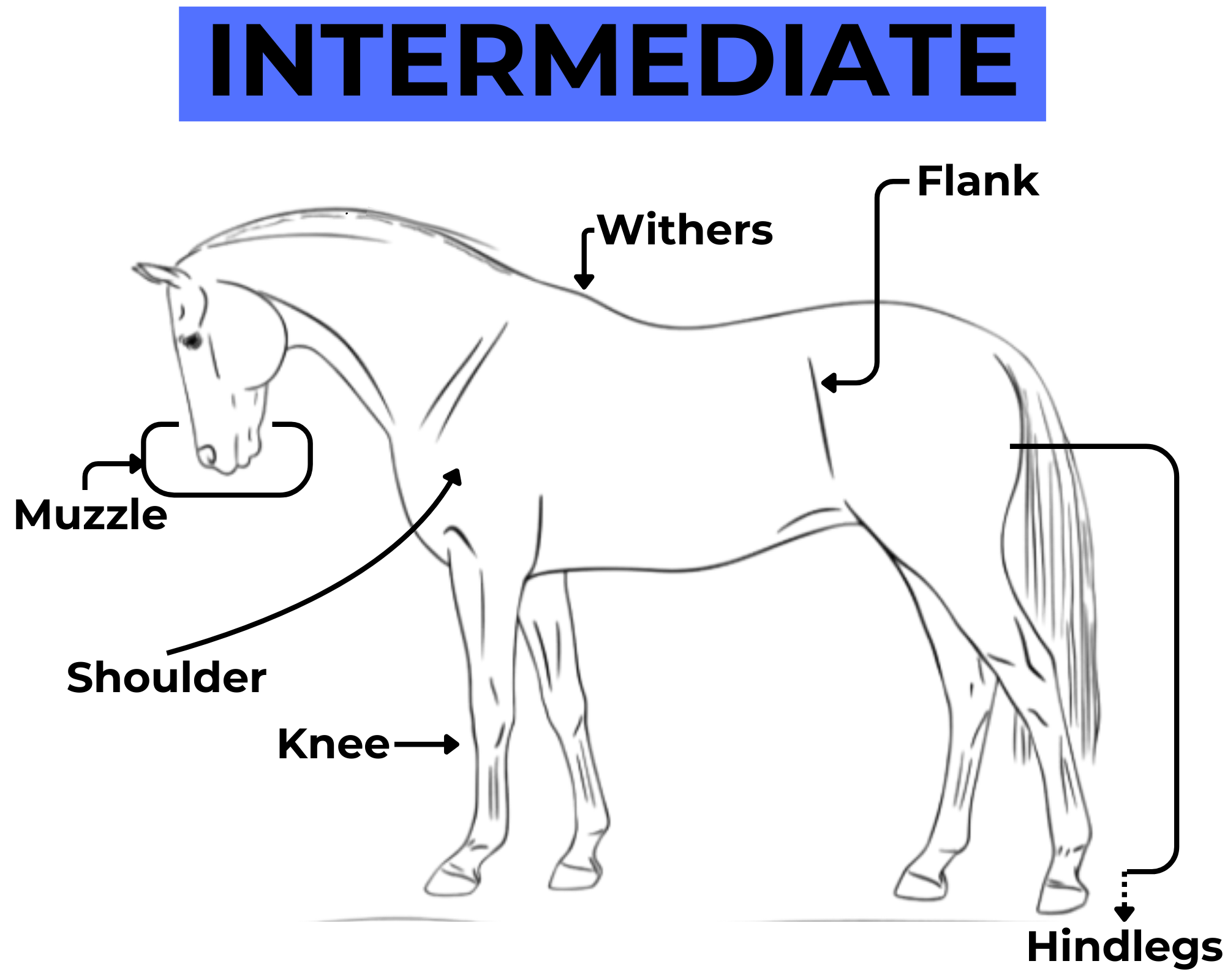
Horse Parts
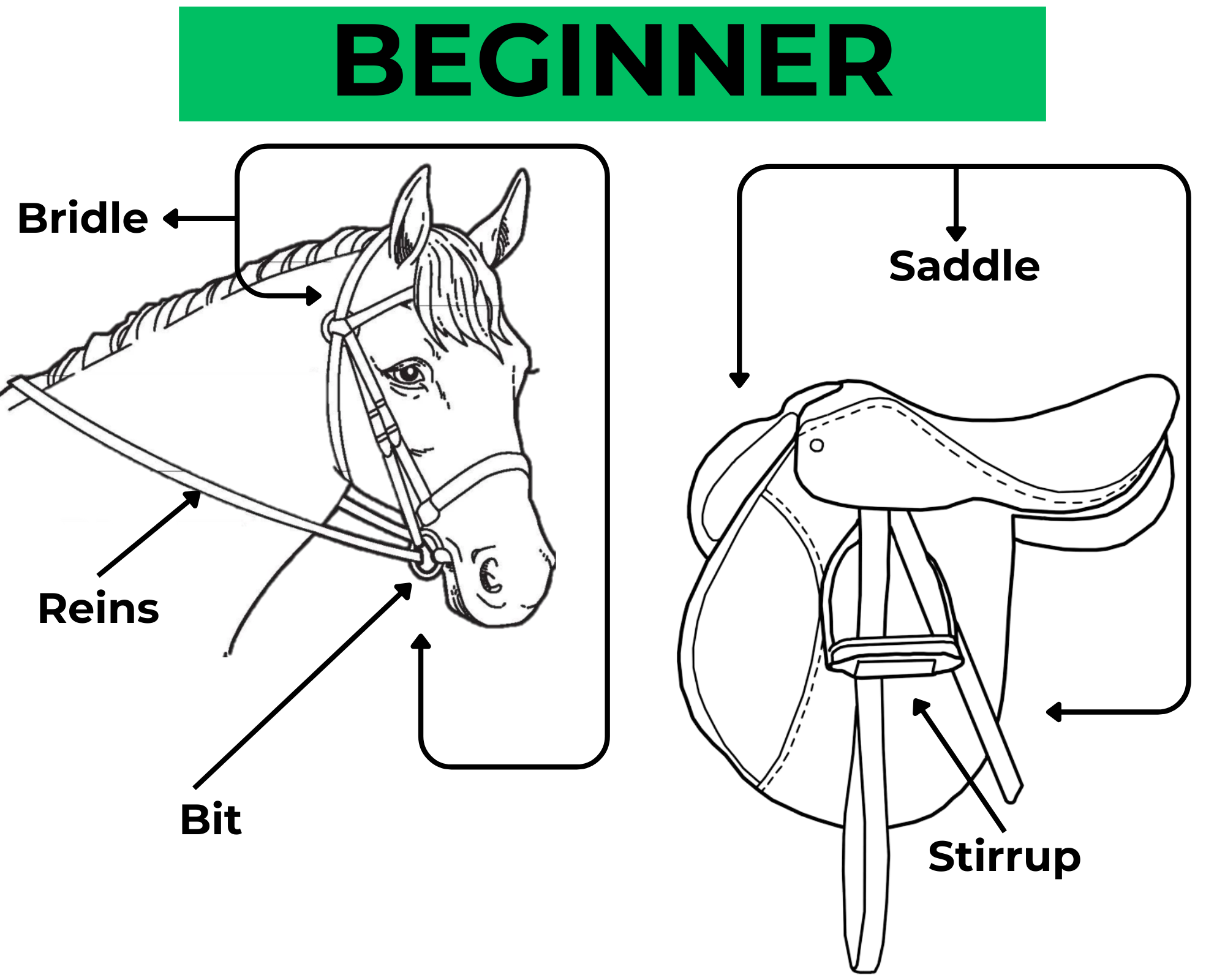
Tack Parts

Practical
The judge will instruct the athlete to put on headcollar/ halter (with help if needed because the horse is being difficult) and lead the horse at a walk to a designated point, turn horse around the marker, and return to the starting point.
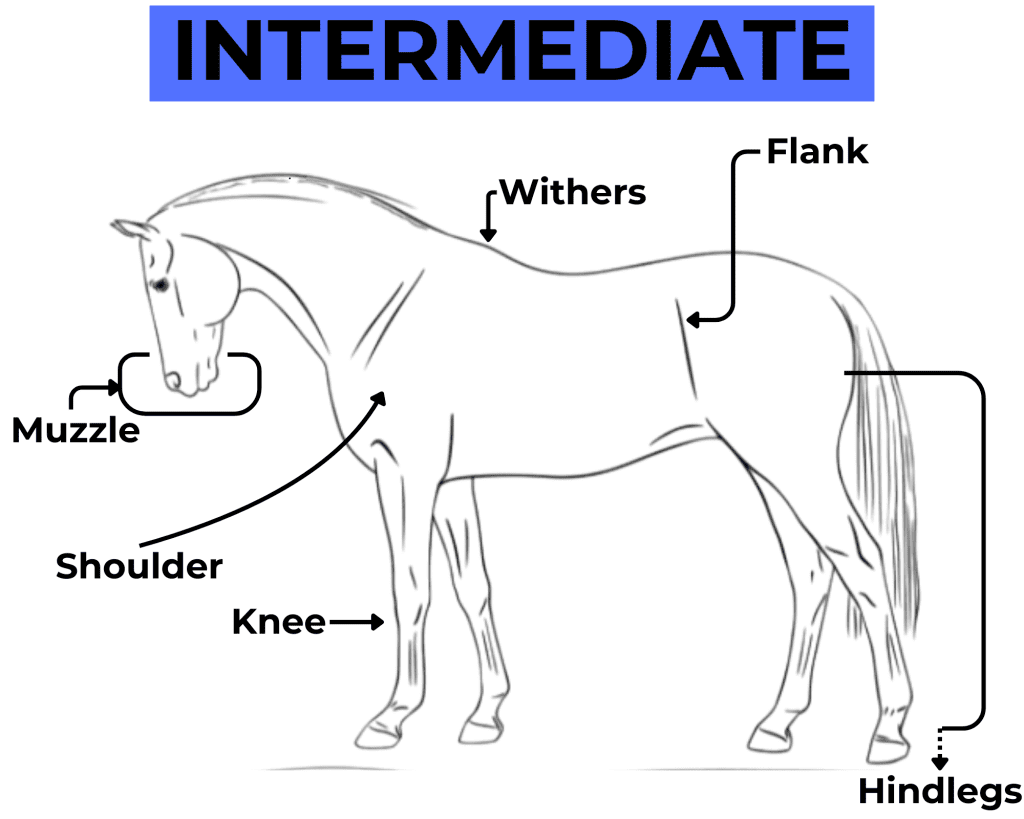
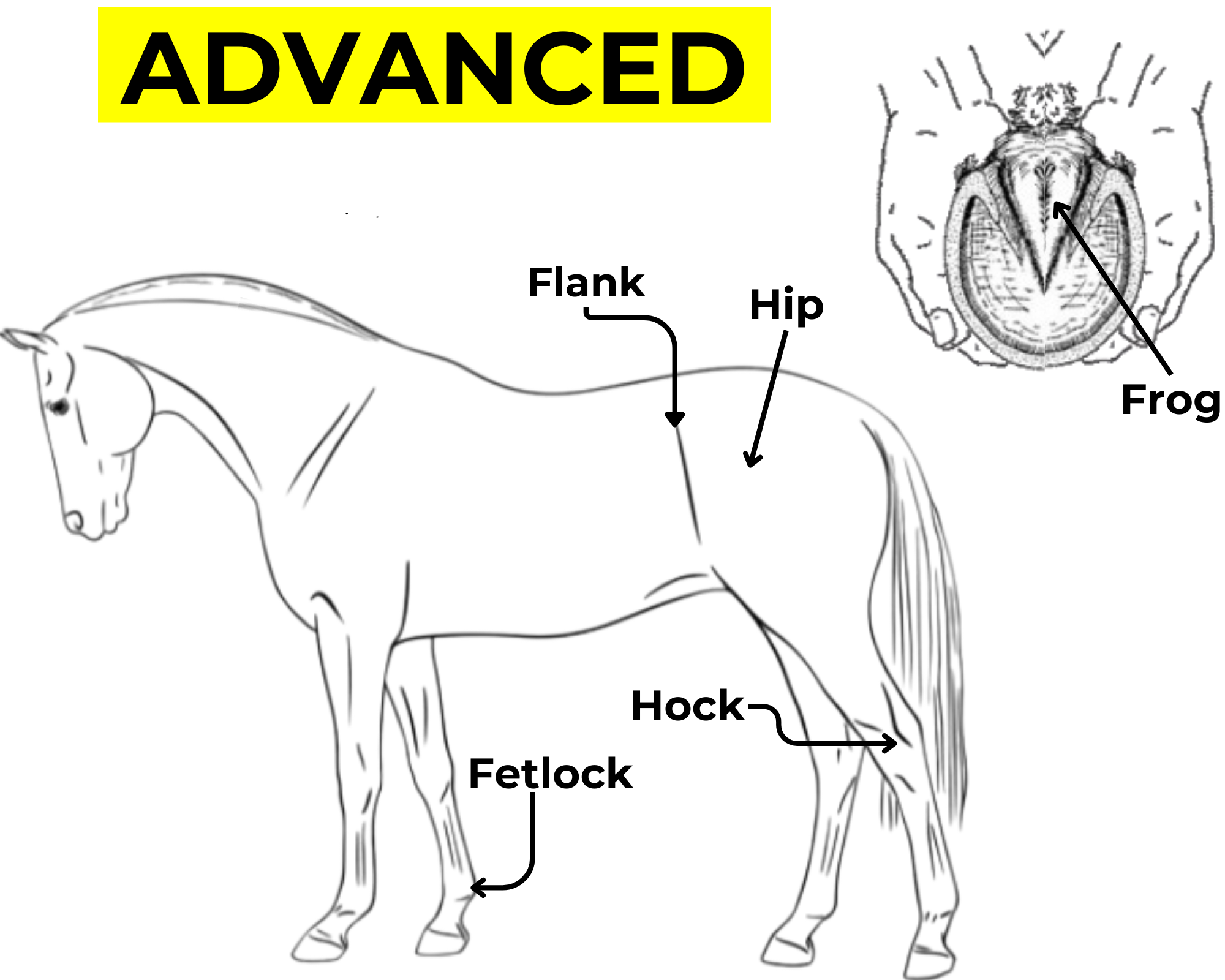
Horse Parts
Tack Parts

Practical
With the Assistant Coach attending to the horse's head (providing as little assistance as necessary), the athlete will lift a front foot and pick it out. Saddle and bridle the horse. The judge will instruct the athlete to trot the horse to a designated point, turn the horse at a walk around the marker, and trot the horse back to the starting point.
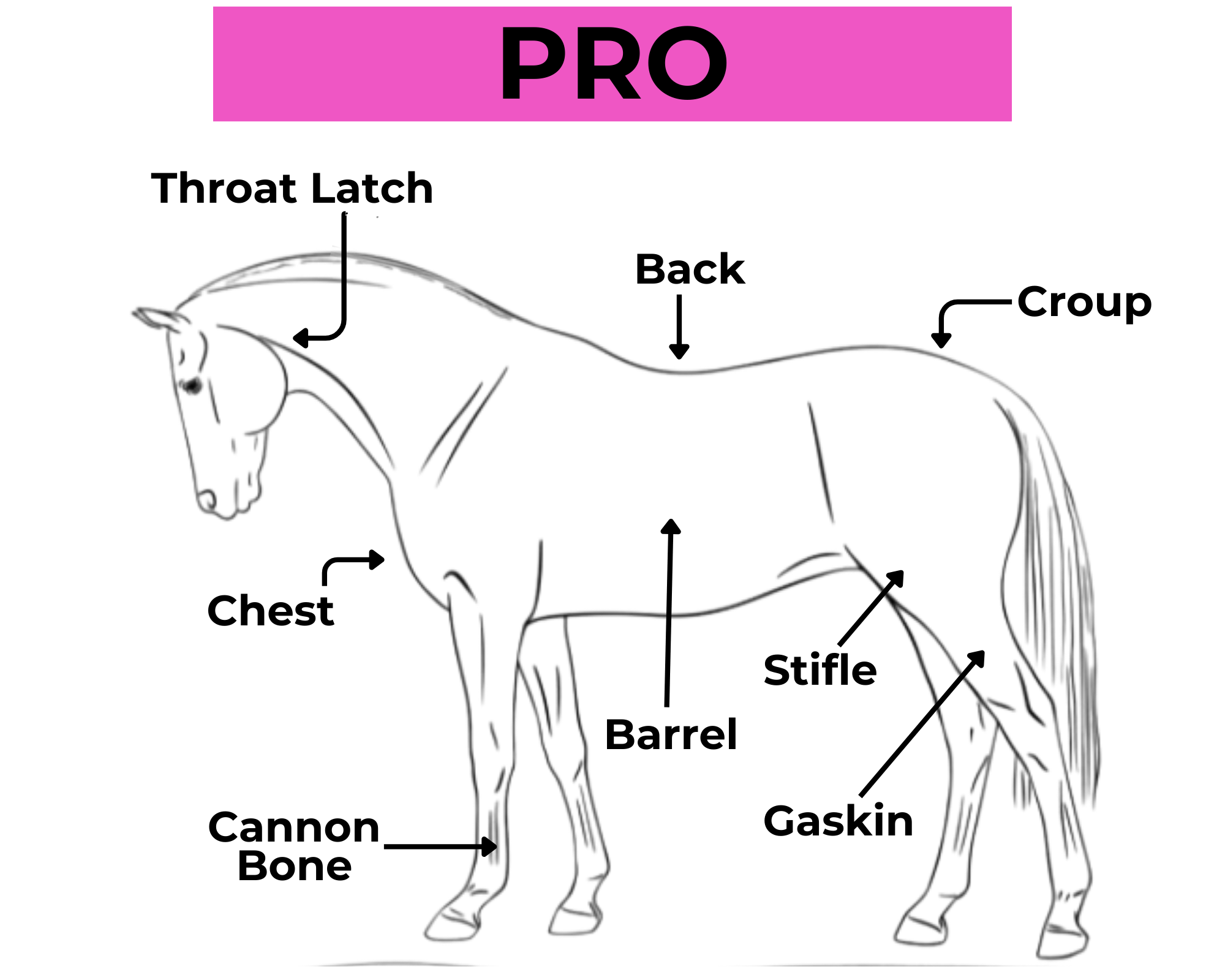
Horse Parts
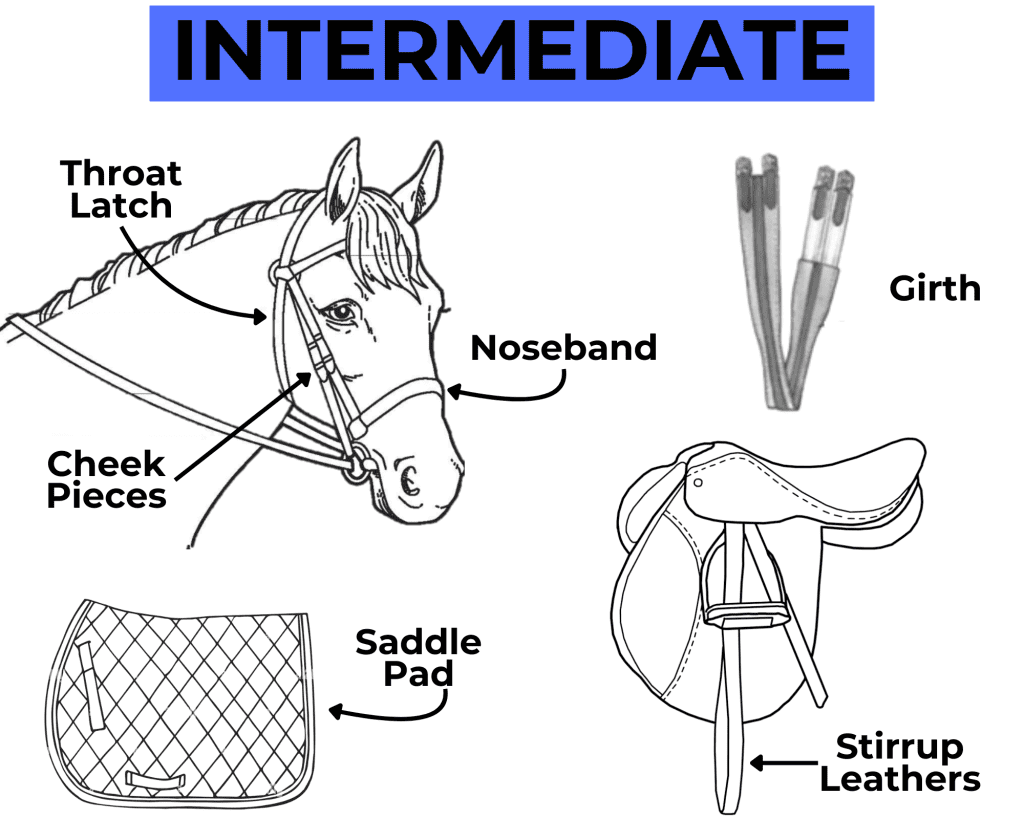
Tack Parts

Practical
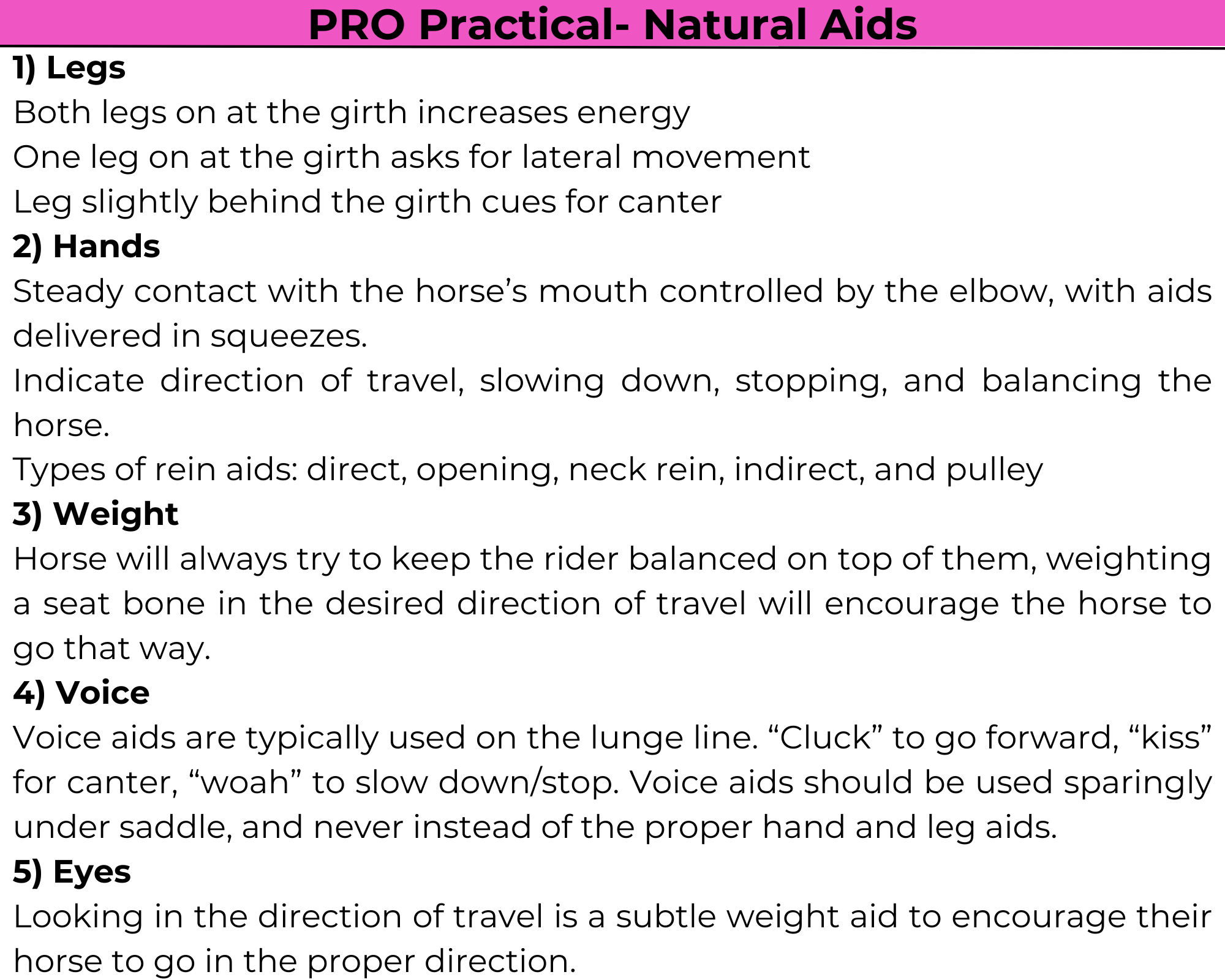
Identify the Natural Aids and how they affect the horse, demonstrate while mounted
(leg, hand, weight, voice, eyes – definitions in EC rider level book)
Horse Body Language
Match the expression with the emotion they are conveying.

Horse Parts
Tack Parts
Describe 2 ways to check if a saddle fits a horse and 2 ways to check if it fits a rider
- Horse: Check gullet and seat length
- Rider: Fit one hand between seat and cantle, with stirrups adjusted properly one straight line from hip to heel.
Practical
Identify the Artificial Aids and Training Tools and how they affect the horse, demonstrate one while mounted or lunging.

Horse Body Language
Describe 3 ways to identify if a horse is: relaxed, nervous/scared, and sick.
Relaxed: Head low, low set tail, eyes soft, jaw relaxed, yawn, licking and chewing, ears softly forward or to the side.
Nervous: Head high, high set tail, nostrils flared, calling, snorting, whites of eyes showing, ears pricked.
Sick: Head low, glossed over eyes, skin around mouth and eyes pinched, ears to the side or back, pawing, not wanting to move, rolling, limping.
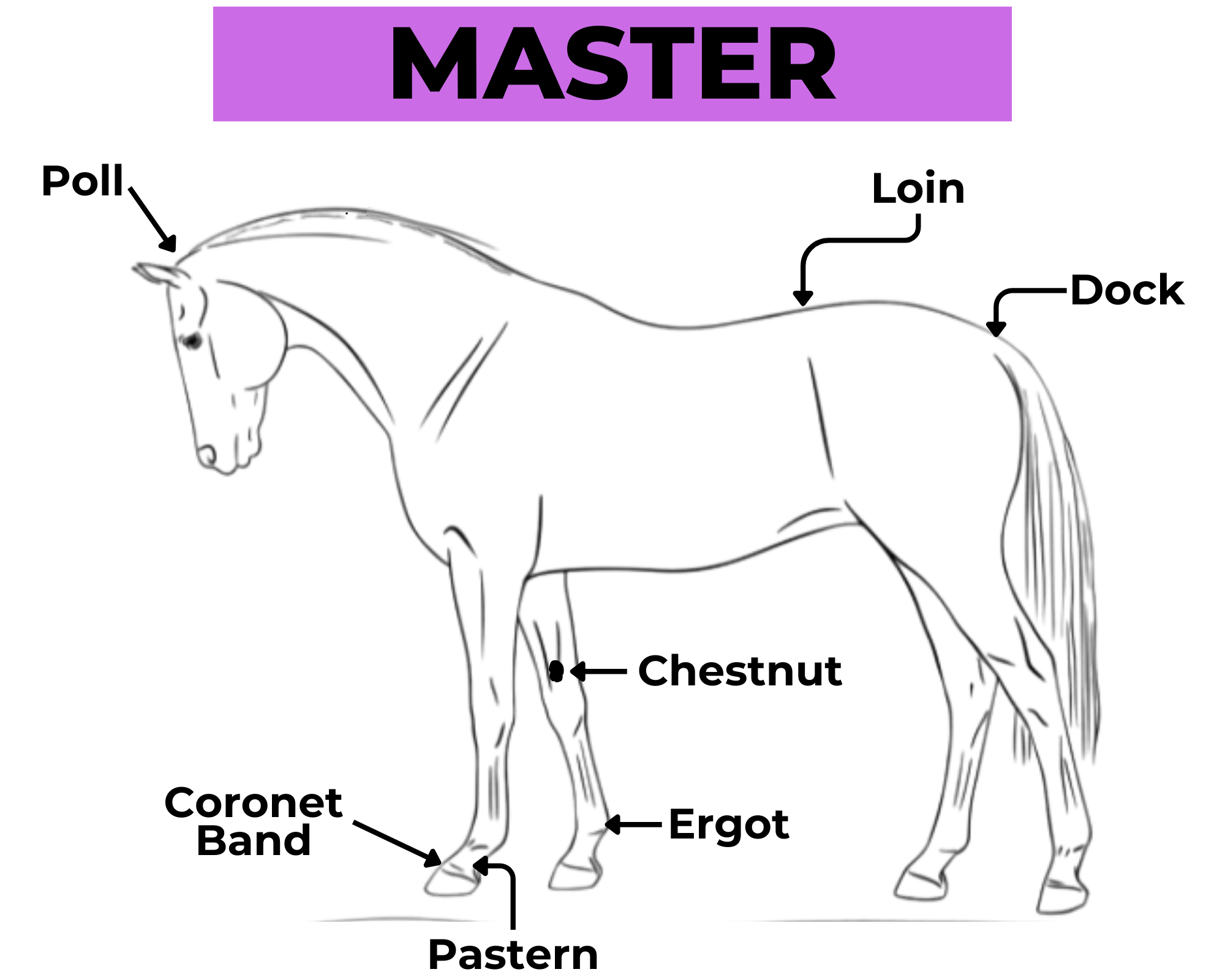
Horse Parts
Tack Parts
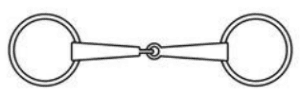
Take apart and put together a bridle, and name the 2 different types of bits and their functions:
1) Snaffle
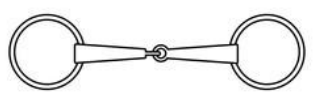
Mouthpiece can be made up of 1-3 pieces, with the reins and cheek piece attaching to the same ring. Mouthpiece can be made of different materials and are referred to as gentle as 1 pound of pull on the reins equals a pound of pressure on the bit.
2) Leverage
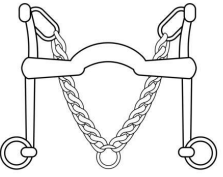
Mouthpiece is typically one solid piece with shank cheekpieces instead of rings. The shank allows the rein to attach lower on the bit than the cheekpiece of the bridle, creating a leverage action. 1 pound of pull on the reins can equal up to 2 pounds of pressure on the bit.
Practical
Demonstrate lunging a horse at the walk and trot, describe the equipment used and what it is used for (leg and hoof protection, lunge line, lunge whip, side reins, tack/surcingle, bridle)
Horse Body Language
Describe how herd hierarchy works between a group of horses, and why it is important for us as riders to understand it.
Example: Horses work in a hierarchy system to determine who will protect the herd, who eats and drinks first, and who they should be friends with. It is important for riders to understand this system because horses are always looking for a leader, if we as riders don’t act as the leader then the horse will.